
Evaluating my headphones
What’s a guy with a motorcycle blog to do when he can’t ride motorcycles? Talk about something else, I guess.
I recently acquired headphones from Dan Clark Audio. The Noire X is my first pair of planar headphones and, since I own several sets of cans, I thought it would be fun to compare them all. What I didn’t expect was for these moderately-priced (can I say that for cans that cost this much?) headphones to change my perspective so drastically. Read on to find out why.
A little background
I first started down this journey in 2004 with the acquisition of an already-discontinued model, Sennheiser HD580 Precision, which was on sale. While I don’t remember exactly how much I paid back then, it had to be somewhere between $150 and $200. I paid more for the HeadRoom Total Bithead portable DAC/headamp ($269) to power them. That was a lot of money for someone right out of college with four roommates living in Arlington, VA and working an entry level job.
Fast forward 22 years, I have acquired several other sets of cans and equipment to make the experience better/improve sound quality. At the time of this comparison, I had five pairs of circumaural headphones that were working. These included the aforementioned Noire X and HD580 as well as Sony MDR-7506, Focal Clear OG and Beyerdynamic DT770 Pro 250ohm. These don’t have a lot in common other than I own them. Unfortunately, I do have one pair of headphones in need of repair and, until I work up the nerve to disassemble and solder my ‘vintage’ AKG K701, they are not usable and are excluded from this test.
Test Equipment
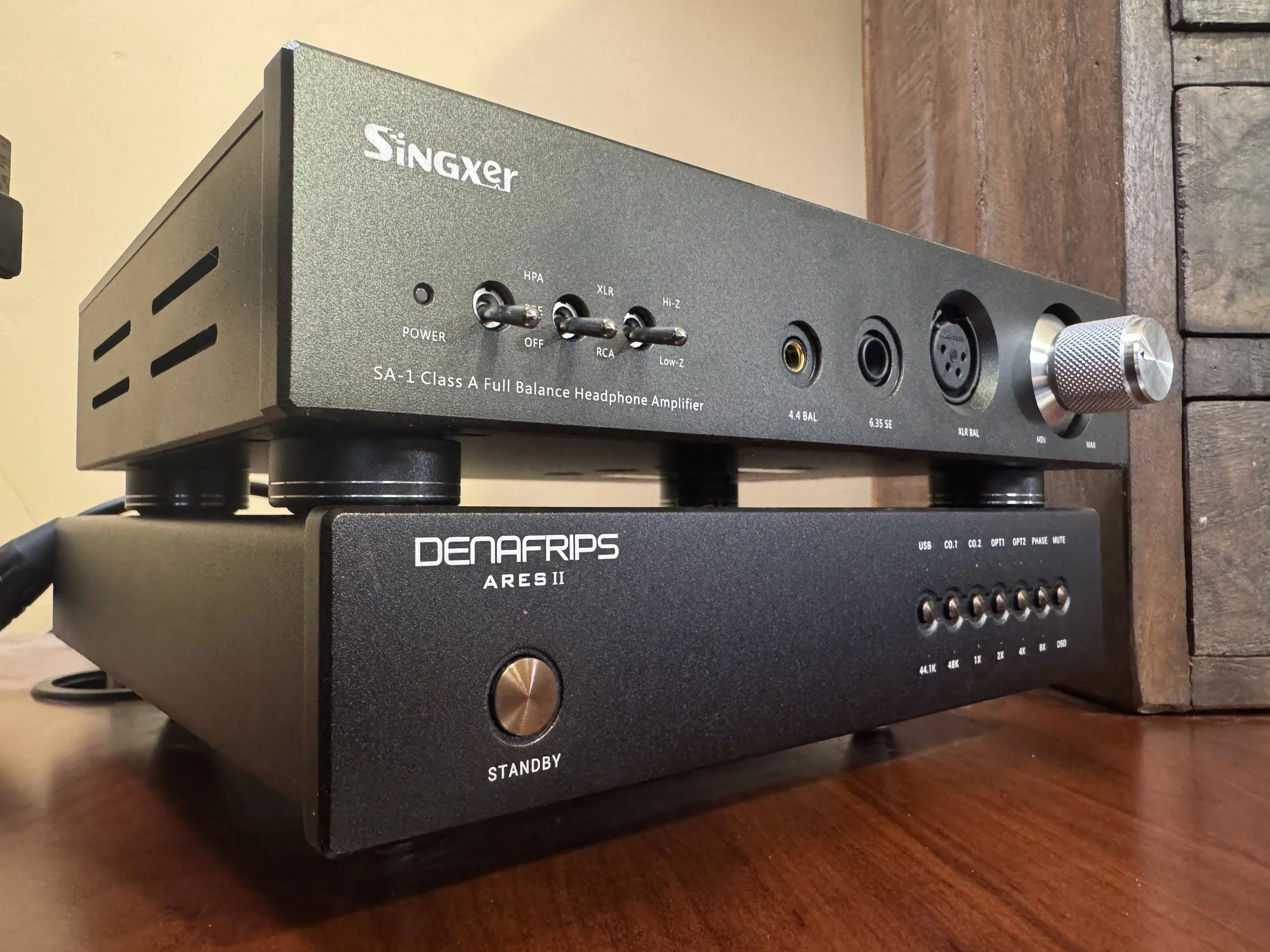
The Denafrips and Singxer were taken out of the test fairly early on. I’m still deciding whether it is worth keeping these around or if they should just be sold.
I am not exactly a scientific tester. These headphones were tested using my ears and the equipment I use to listen to music at my desk. While the source stayed same (hi-res music from AmazonMusicHD on an M2M Mac Studio), the DAC and amplifier changed from a Denafrips Ares II and Singxer SA-1v2 to an RME ADI-2 DAC (AK4493) and Headamp GS-X Mini. We’ll get into why a little later.
Tests were performed with both no EQ and Oratory1990 settings applied in SoundSource.
As a bonus, I also tested everything with the standard Apple USB-C to 3.5mm dongle connected to my iPhone 15 Pro with no EQ. For the balanced cabled headphones, a Hart Audio 3.5mm to 4-pin XLR adapter was used here.
The Music
I listen to a lot of different music and made a playlist of some ‘standards’ as well as just different things I like to listen to. The full list is as follows:
Money – Pink Floyd (24/96)
Wow – Beck (24/44.1)
The National Anthem – Radiohead (16/44.1)
Hysteria – Muse (24/96)
Rap God – Eminem (24/44.1)
Bad guy – Billie Eilish (24/44.1)
#41 – Dave Matthews Band (16/44.1)
Don’t Stop Me Now (2011 Remaster) – Queen (24/96)
Don’t Know Why – Norah Jones (24/96)
Babe – Styx (16/44.1)
Cello Suite No. 1 in G Major, BWV1007 – Yo-Yo Ma (16/44.1)
Dreams (2004 Remaster) – Fleedwood Mac (24/96)
Nude – Radiohead (24/44.1)
Giorgio by Morodor – Daft Punk (24/48)
Politik – Coldplay (24/192)
Little Wing – Stevie Ray Vaughan (16/44.1)
Banana Pancakes – Jack Johnson (24/96)
The Results
5th place – Sony MDR-7506 (stock cable, no mods)
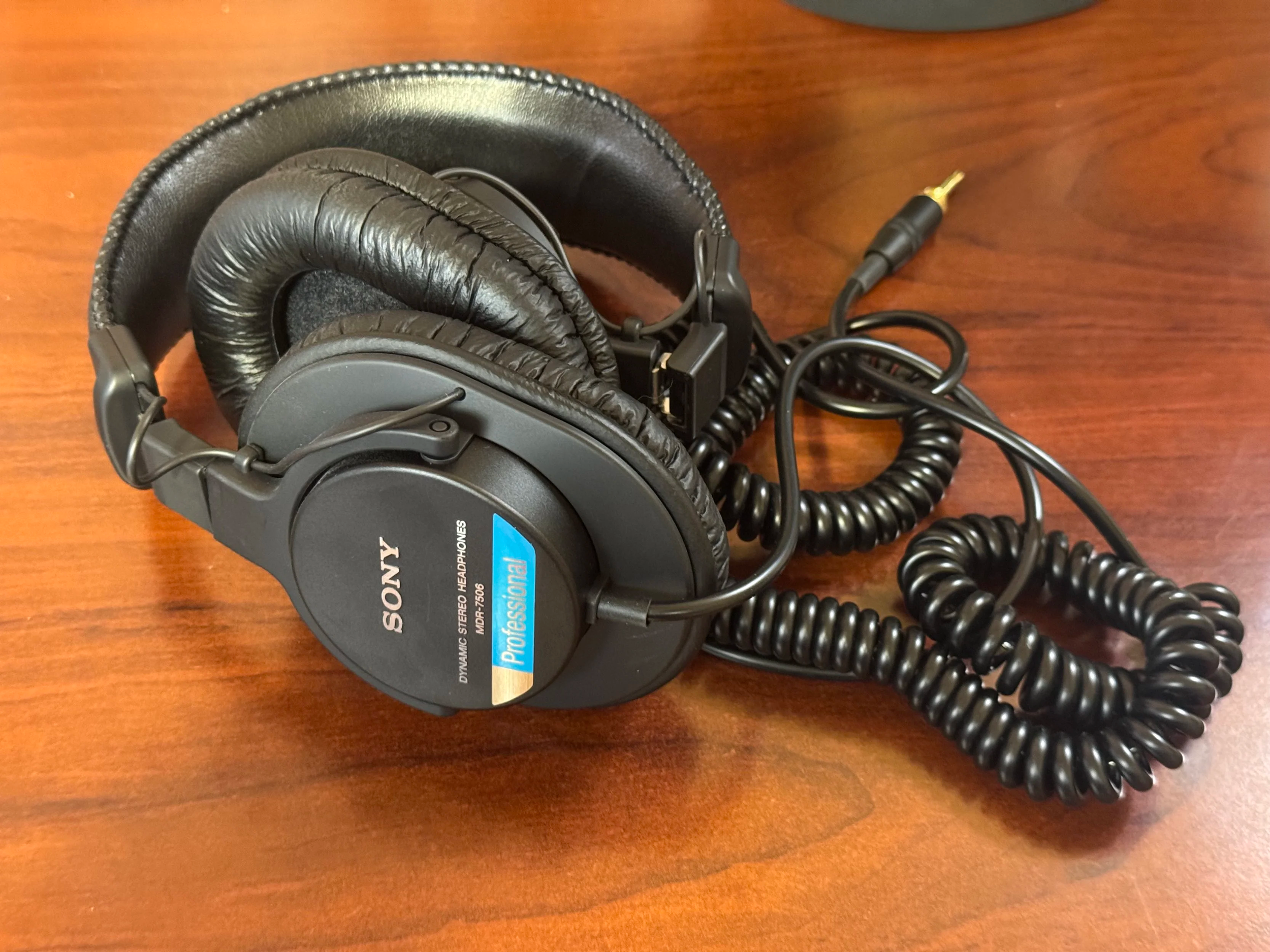
I no longer have any use for these. I used them for voiceovers as they are easy to drive and were good for direct monitoring with my audio interface. I will never put these on my head again.
No one should be surprised at this. These headphones are not intended for or marketed to people who want to listen to music. I only own them to monitor vocals on voiceover work. Still, I do own them and I thought it would provide a good baseline for the non-enthusiast.
While EQ did make a difference, everything sounded flat and two dimensional (I guess that is the same thing). Bass was not very well-controlled and music was generally a muddy mess. While listening to Billie Eilish’s bad guy, I made a note to myself that it sounded like I was sitting next to a car with a pair of 15” subs in the trunk. The bass guitar in Hysteria by Muse was completely lost. You knew there was a bass line but you couldn’t tell what it was.
It didn’t sound bad and, if I hadn’t listened to other headphones or these were the only ones I had, I would be happy. Fortunately, or unfortunately depending on how you look at things, I do have other headphones. The more I listened and switched between headphones, the more it sounded like I was listening to music through a sock with the MDR-7506. Is that the definition of veiled? Probably not.
For better or worse, there was no discernable difference between using desktop equipment and the $10 Apple dongle.
Fourth Place – Beyerdynamic DT770 Pro (stock cable, no mods)
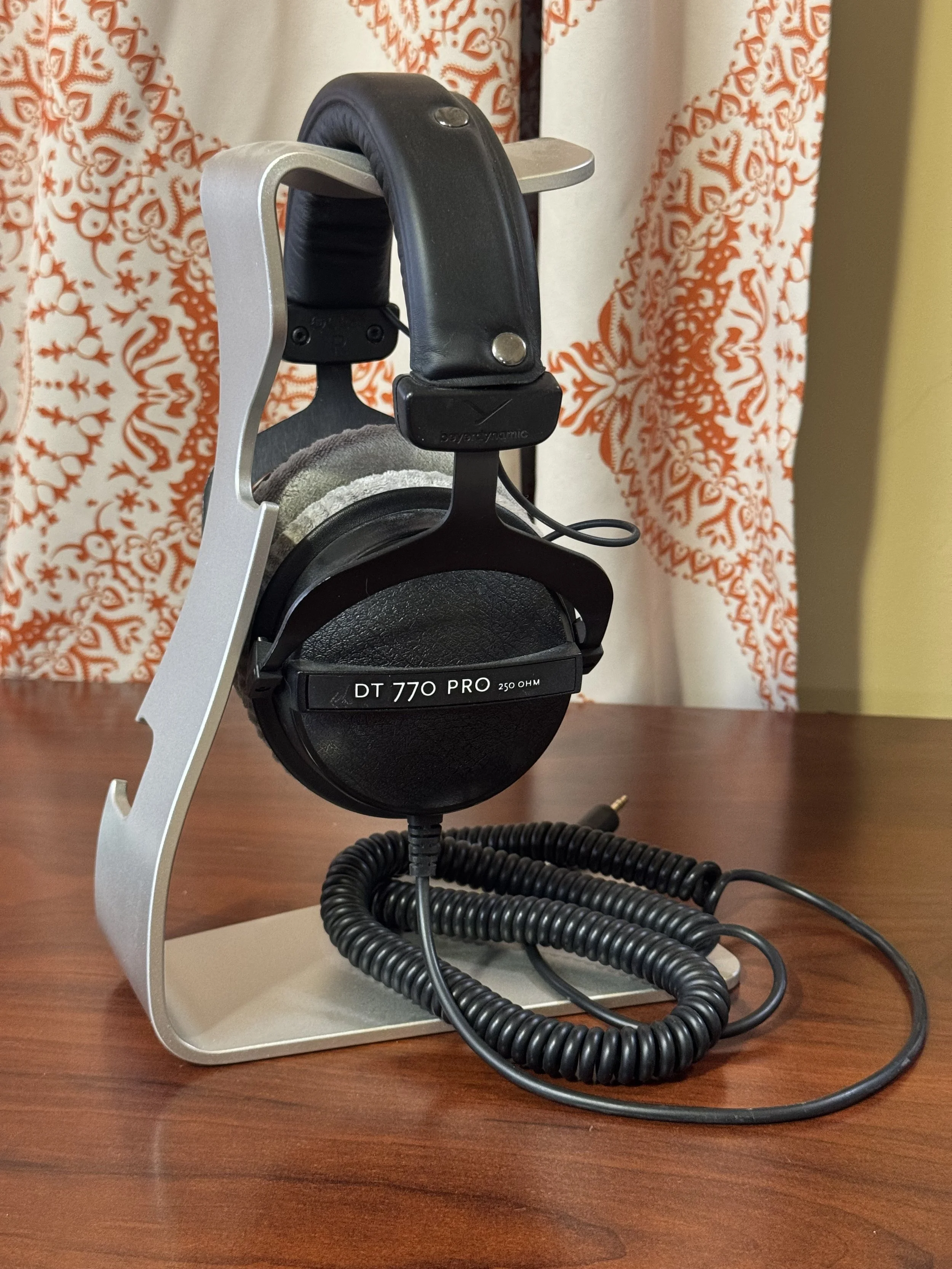
So much better than the Sony but quite difficult to drive.
The best way to describe these headphones is to say that listening to them is just like listening to the MDR-7506 without the sock. Everything is better, clearer, more controlled and detailed. Soundstage and imaging are still quite small but you should only really expect so much from a pair of closed-backs.
Bass was punchier but still too boomy and bloated most of the time. It was, overall, a more engaging experience. Unlike the Sony, you could tell that it was rain at the beginning of Jack Johnson’s Banana Pancakes. Still compressed and two-dimensional but rain, not static. I did prefer these headphones over most of the others with Beck’s WOW but that was the only case where it climbed above the 4th spot.
With 250ohm, I expected them to perform very poorly with the Apple dongle but they were fine. Other than significantly higher volume being required of the phone to reach reasonable volume, it was fine.
Third Place – Focal Clear OG (Audiophile Ninja 6’ 4-pin balanced cable, stock pads)
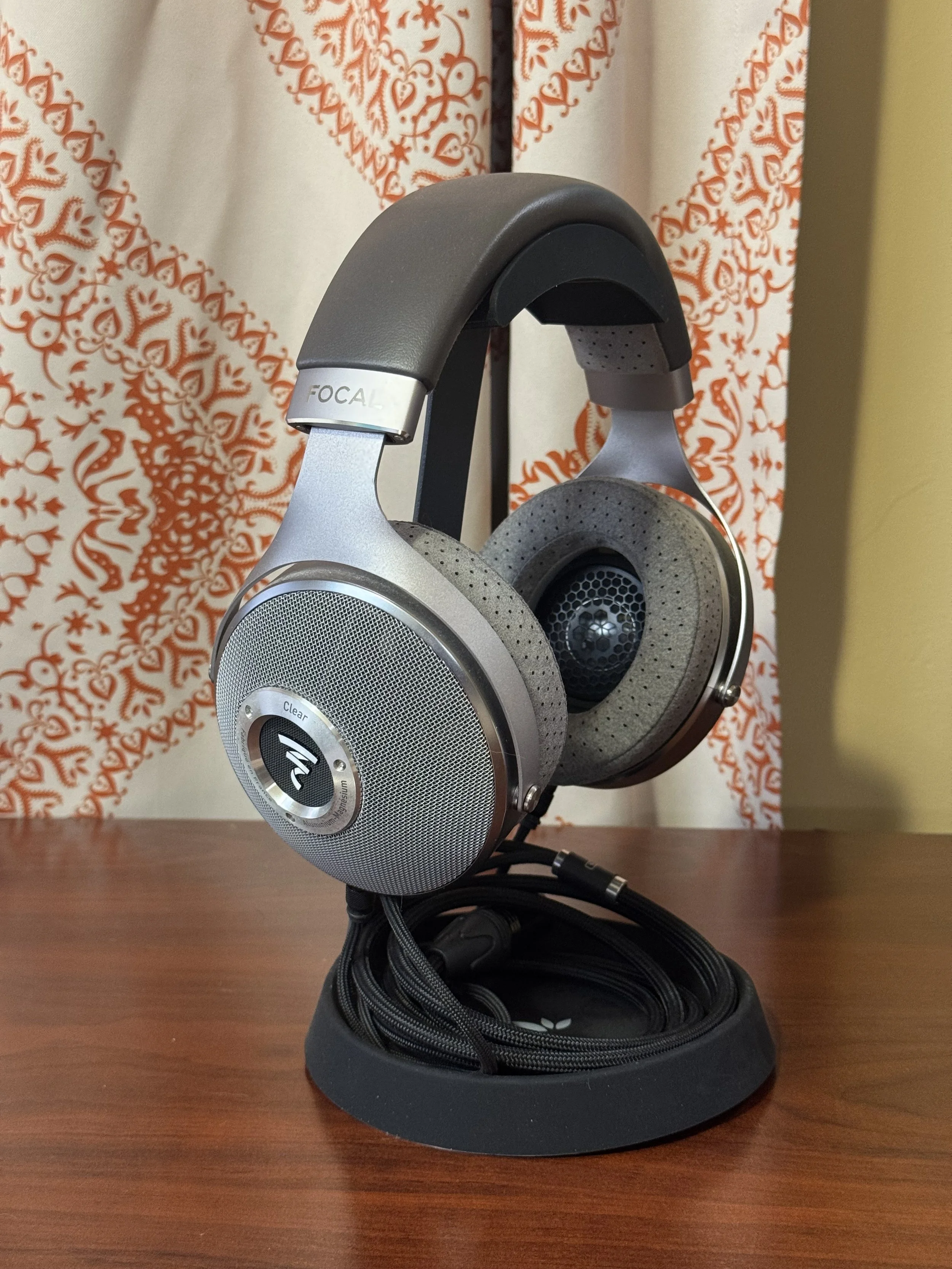
Surprised? I was. My expectation was that the battle for the top spot would be between the two most expensive headphones. I was wrong. It was very close between the #2 and #3 position. Bass and treble extension are better with the Clears than the #2 headphone but overall muddiness and a couple other factors kept it out of the top two.
If this test was based solely on Apple dongle performance, the Clears would be in the #1 spot. They emerged as the top performer with the least amount of power across all genres.
Second Place – Sennheiser HD580 Precision (Hart Audio 6’ 4-pin balanced cable, new stock pads)
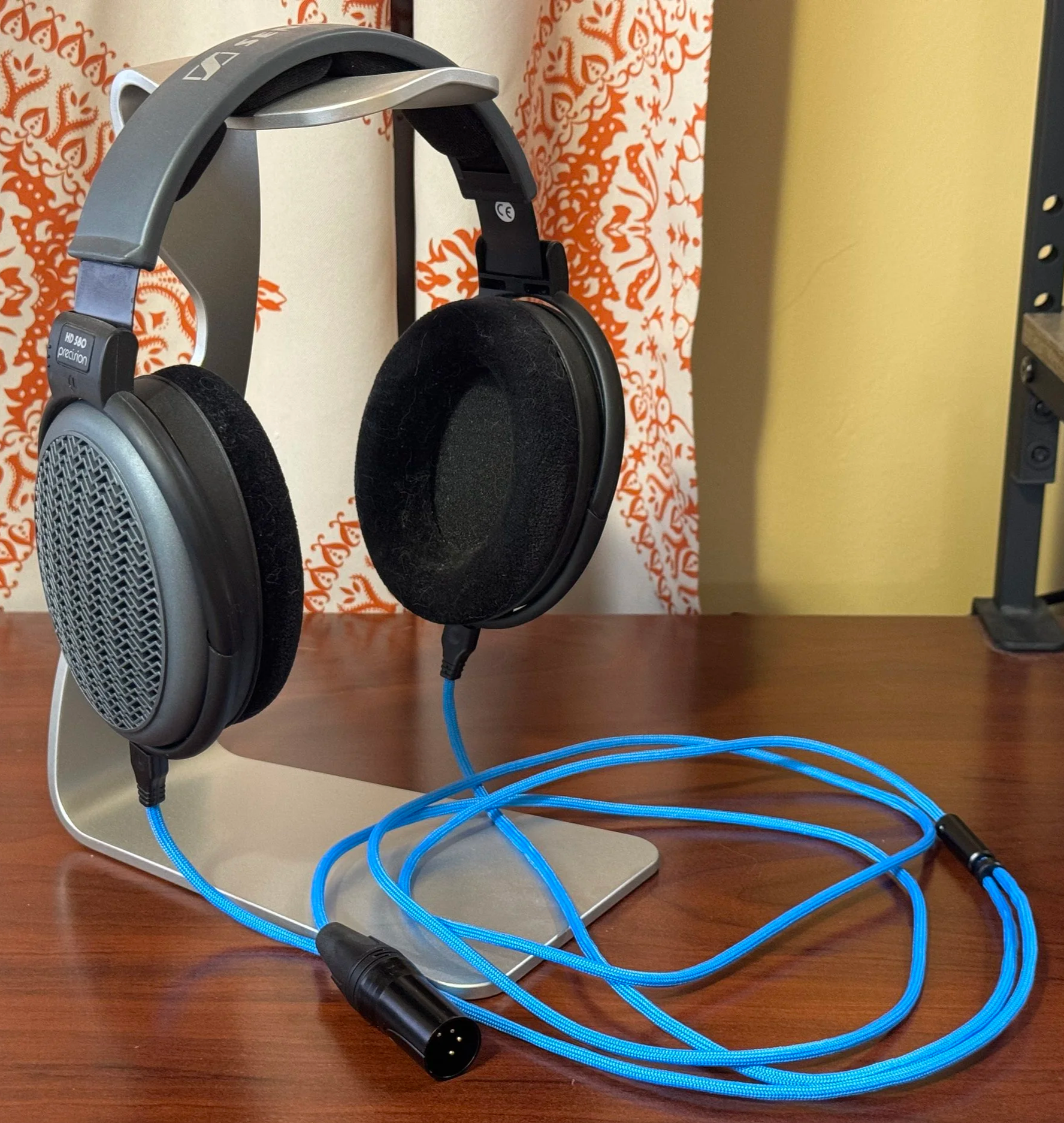
Who would have thought headphones old enough to drink would hold up so well.
The Focal Clears do have more extension at both ends but they also have a muddier presentation. Soundstage isn’t great on either of these, especially for open-back cans. Imaging might be slightly better with the Focals but I found myself preferring music with the very old Sennheisers. They don’t feel as substantial or expensive as the Focal Clears but they disappear on my head. Comfort is a factor but I just downright liked listening to them more than the Clears on most tracks.
I’ve owned the Focals for several years and I can’t believe I never made this side-by-side comparison before. Perhaps finally ditching the standard cable for a balanced one early in testing made the difference. It doesn’t really matter that much, though. #1 was going to stay #1.
Winner – Dan Clark Audio Noire X (2 meter Vivo 4-pin XLR, stock pads)
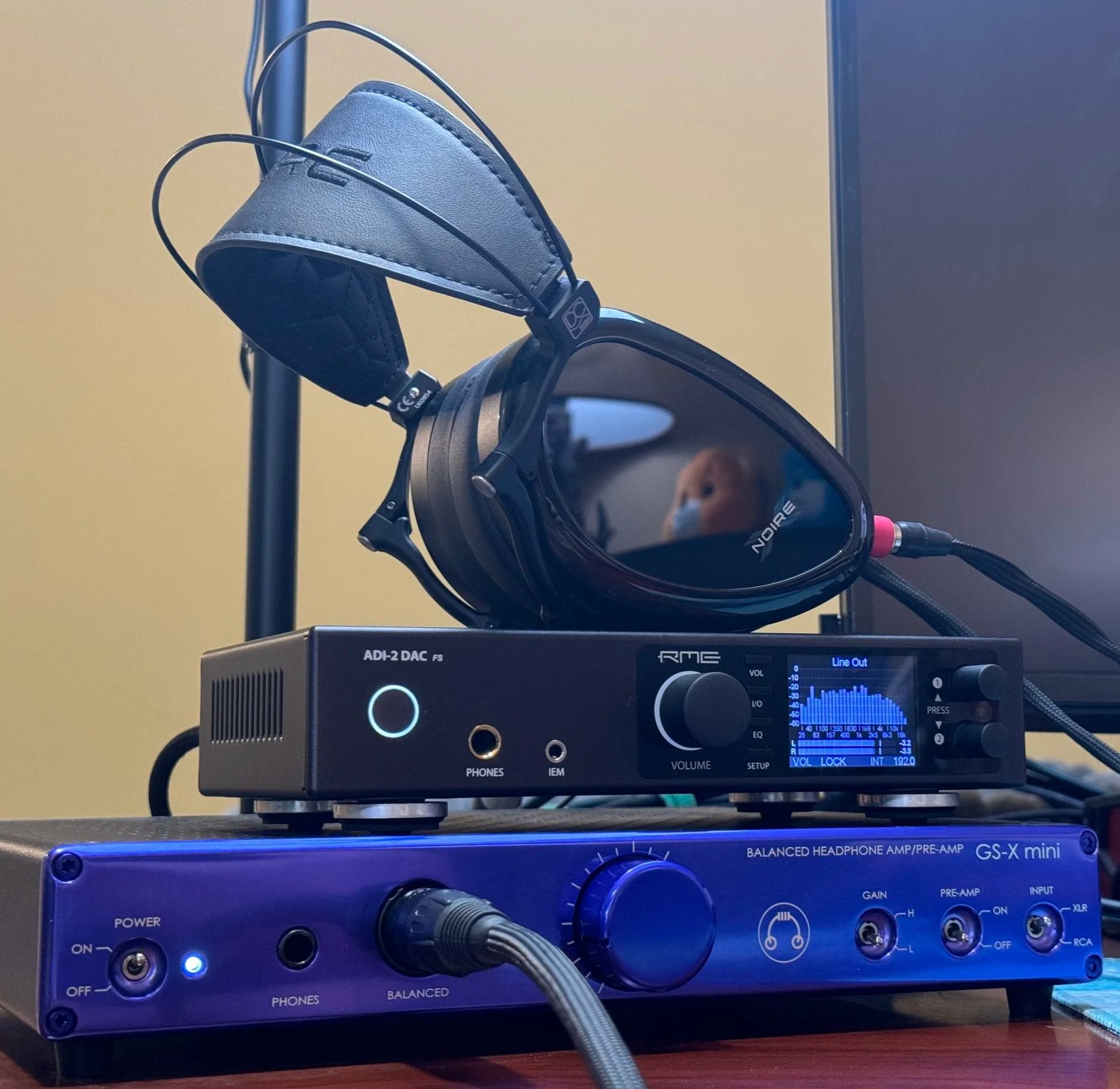
My perfect setup. There is better but I don’t want to hear it.
The difference between the headphones in spots 2, 3 and 4 is not huge. With the use of EQ, they are even closer together. The gap between DCA and the rest is larger than I ever could have imagined. Granted, these are the first ever planar headphones I have ever heard but they have changed what I thought was possible.
When I first started listening to them, I thought the bass was lacking. This was not true. I was actually hearing lack of bloat. Bass drums sounded like bass drums. Bass guitars…well, I could go on but you get the idea. The soundstage sounded wider than either of my open-backs.
Imaging was distinct. I’ve read a lot about blackness in a recording but I’ve never actually heard it before now. Compared to the MDR-7506, the other headphones could be considered three dimensional. If that is the case, the NX is more like VR. You can imagine every instrument and voice is separated to the point where you can explore the space between them. Nothing sounds buried under anything else or compressed into a flatter image.
I could hear things that I otherwise didn’t think were possible. On Fleetwood Mac’s Dreams, I could hear the drum stick striking the hi-hat at different places on the surface of the metal. I could hear room reflections/echoes picked up during recordings on multiple tracks. I never felt the need to turn up the volume to trick myself into thinking they were more detailed like with other headphones.
Listening to Coldplay’s Politik around the 3:20 mark, I could hear Chris Martin singing alone surrounded by the sound of the music. While listening to #41 from Dave Matthews Band, a song I have been listening to for more than 30 years, I was transported back to my college dorm room at a time when I listened to that album on my CD player on repeat to drown out my roommate’s shenanigans. A simpler time, for sure. A time when I thought I knew what the song sounded like.
The NX is the reason I swapped out the amp/DAC combo. After listening to all of the headphones for hours on the Singxer/Ares II, I felt like they were being held back. I can’t articulate exactly what was missing but I felt like there was more performance to be unlocked. I already owned the RME ADI-2 and decided to order a B-stock example of the GS-X Mini. While this is not a review of either of those, they did give me that last little bit that I was missing from these headphones.
All is not sunshine and rainbows, however. They are the most expensive headphones I own and the Vivo cables, if purchased on their own, cost three times more than the Sony headphones cost. The cables are also microphonic which I was not expecting at all for the premium option. Speaking of microphonics, the metal headband can be quite loud. I have TMJ and, whenever my jaw pops, I can hear the headband vibrating in my ears. The gloss black finish is a fingerprint/dust magnet, as well.
The only time I missed a little bit of bass bloat was while listening to Eminem’s Rap God. It wasn’t that the bass wasn’t there, I just preferred the HD580 and Clear presentations a bit more.
While the bass is punchy and mostly realistic/not bloated, that is only true if you don’t wear glasses or have very thin temples on the glasses that you do wear. If you wear thicker-framed glasses, the punch of the bass disappears completely.
When listening to music through thousands of dollars in equipment, the Noire X is magical. The Apple dongle strips that magic away. What was originally heard as transparency and realism is reduced to a thin and underwhelming presentation. If this were an Apple dongle-only test, the DCA headphones would come in last place. I don’t think anyone would realistically use an Apple dongle with headphones like these but it was worth noting. You don’t need equipment that costs more than the headphones to enjoy them but the dongle is not remotely suitable.
Final Thoughts
One of the reasons I decided to write this article was to force myself to distill the 15 pages of notes generated from hours and hours of listening into a concrete conclusion. In doing that, I surprised myself.
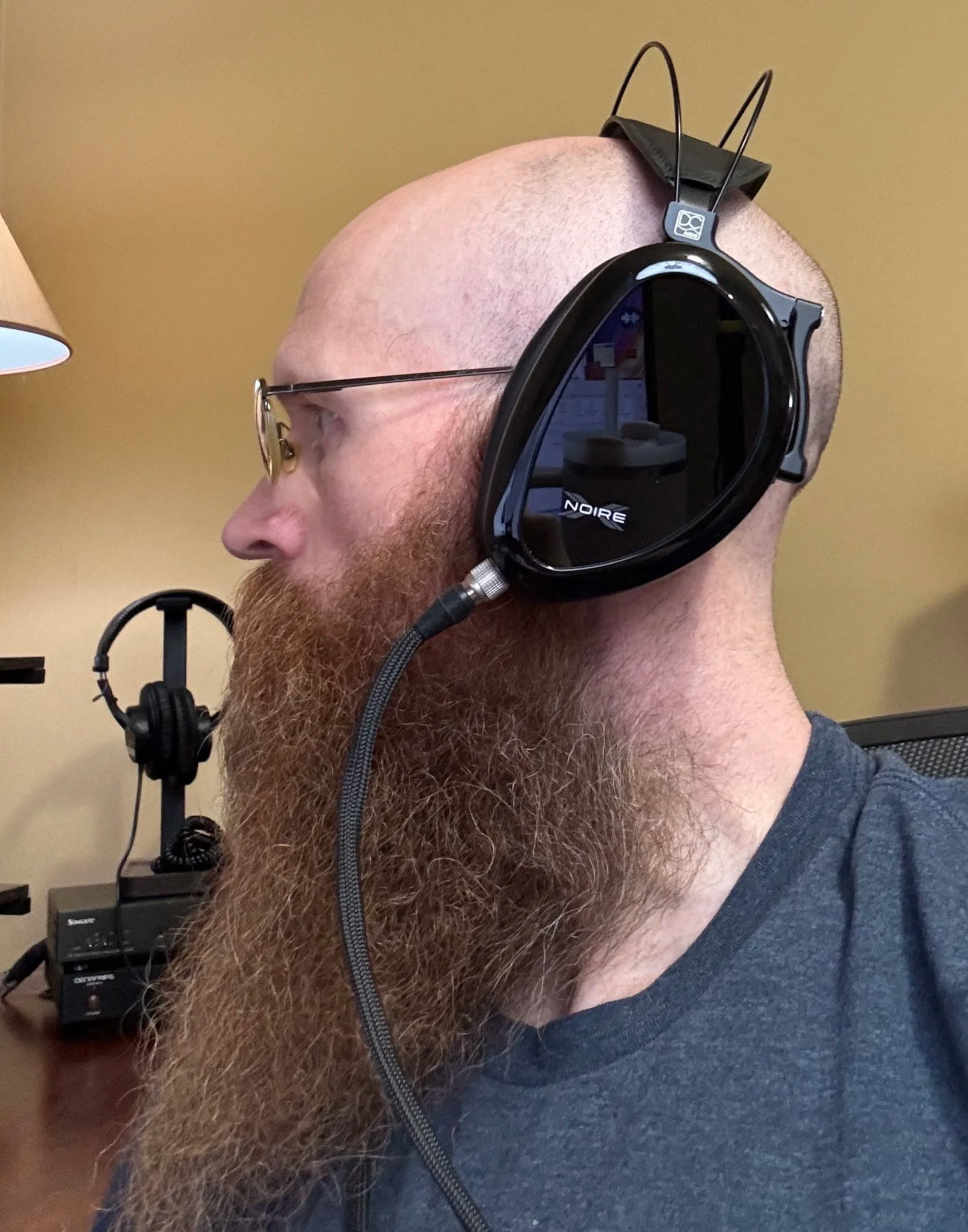
My happy place. Probably due for a trimming of the beard, though.
I’m not just saying this because I have a new toy and am deep in the honeymoon phase but the DCA Noire X has provided the best musical experience I have ever had. I’m stopping short of saying that these headphones have changed my life but they have definitely opened my eyes to a world I didn’t know existed, a world of three dimensional sound where you can explore what you are hearing like you are with the musicians instead of listening to something through headphones. I am sure there are even better headphones out there but I don’t want to ruin this experience by listening to anything else that might be better. At least not for a few years.
I love these headphones so much and they do so much well, I am going to list most of my other headphones for sale. I’ll keep the Sennheisers for nostalgia and to have a different flavor but everything else is going to go. There’s no reason to keep headphones around I will no longer use.
If you disagree with me, feel free to yell at me in the comments.